
Notes from a practice: the Importance of a Photograph's Destination
A basic but transformative photographic concept
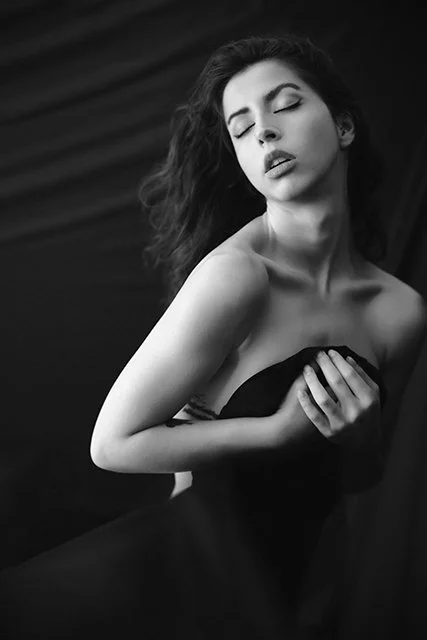
Chiara BW; ph: Francesco Coppola
Navigating, like everyone, the contemporary photographic offer on social networks and other forums dedicated to the medium, and web galleries, the prevalent impression is that most people who shoot models show a clear lack of knowing where their photos should go and what they are shooting for. Instagram isn't a proper destination, nor is keeping them digital on a drive.
One of the first concepts I learned during my studies of the medium was: you need to value and think about the photographs you take in consideration of where they end up, what will be their destination. It is, possibly, the most transformative piece of theory about Photography that one can take in.
It can give a photographer the direction they will develop throughout their practice.
The growth problem in the current times for photographers
Almost all of us start shooting everything, or at least, all that we have near us. Personally, for instance, I have done landscapes, macro, bird photography, a couple of weddings and a little street/architecture photography during my initial years of practicing Photography. Two and a little more years of studying photography led me to specialize in Portrait Photography, and yet since June 2018 I started working on producing a Fashion Photography portfolio, but, apparently, my path is less common than most.
Most practitioners seem instead stuck in an unspecialized middle ground, with information about this type of art taken from who knows where, continuing to mix Portrait with Landscape and maybe Street, wasting their time sharing their images on Instagram, seldom printing their work, and, in most recent years, allowing generative AI tools to be trained to, one day, let the machines produce images without a human taking them in the first place.
It wouldn't be that bad if this confused practice would be brief and would evolve into a specialization and deepening of the photography possibilities in one genre, starting what is the following step: building a portfolio.
I mean, I am aware that not everyone who owns a camera must try to use it to become a professional, to transform a passion into a career. Photography, even as a hobby, has a great therapeutic value that I will never deny.
But precisely because I am a photographer who comes from hard times and pain, I believe the path should lead somewhere: a growth that is not only technical but human and psychological. And here I can already hear the objection: "What's wrong with being an accountant who shoots on the odd Sunday, with no intention of turning it into a profession, just something that relaxes me and makes me happier?" Nothing is wrong with that. But if you feel something — whether it's pain you're working through, or simply real enthusiasm for something that attracts you to no end — why stop halfway? Why not dare to become a master of your chosen genre? Reaching that level would, in itself, be a way of overcoming hard times.
This said, it is commonly expected that at a certain point, a photographer who has, in some way, studied the basics of photography, but is yet a bit confused and not knowing where to go next, can attend a portfolio review at a photographic fair. The major fairs usually offer this service, tailored exactly for this type of shooter — but it's worth clarifying what "portfolio" means here. For a specialized photographer, what counts as a strong portfolio can vary depending on who's evaluating it. What beginners bring to these fair reviews is something different: a mixed-genre collection, for instance: some wedding images, some family or friend portraits, maybe a few street candids. Its purpose isn't to showcase a photographer's quality or style to clients; it's diagnostic. It gives a professional photographer, reviewing the work, the material to recognize which genre the beginner shows the most promise in, and to point them toward that specialization.
What should follow is a practice focused on one genre, producing a project, be it a photo-book, a photographic zine, or a specialized portfolio to use when trying to enter some creative agency. A thing that involves, in the end, printing your own images.
When you specialize
Sofia Red; ph: Francesco Coppola
You start to think in terms of workflow. Planning a shooting, performing it, selecting the images to edit, then editing them, then working on delivery for, as mentioned above: a book, a zine, a portfolio.
It is at this point that the concept of destination of the image is so important. It forces you to start considering image format and dimensions, different types of paper, that every detail in the images represents your vision, and that what you don’t include in your frame matters just as much.
If you start a project, you will soon worry about image consistency, like always using a certain focal length for your storytelling, the interaction between vertical (portrait mode) frames and horizontal (landscape mode).
And this is only the beginning, before you start exploring darkroom printing techniques — but here we are starting to go too deep.
Conclusions
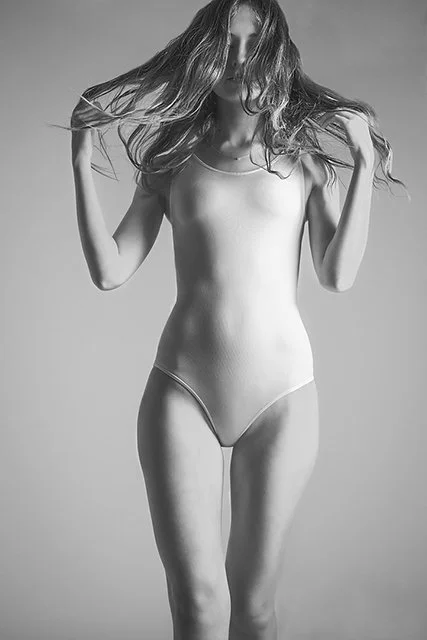
Body BW; ph: Francesco Coppola
It is common knowledge that much of a photographer's career success comes from networking, meeting the right person at the right time. If you have a relative who works in some sport establishment, it could be easier for you to become a professional sports photographer. If you are a nurse specialized in medical massages and you work in a hospital near a big professional studio, maybe you could start working for photographers and models, seeing how they work and knowing someone who could guide you as you learn the craft. If you have a lot of friends, you could start practicing Portrait Photography for free. Not to mention, if you are the son or daughter of a professional photographer, possibly you will have a good network that will help you get established in the field.
For all the others, like myself, who have nothing like this, practice, endurance and study will take you where you want (if you feel the need to say something) but always considering those shots that you are about to take: where do they end up? What are you taking them for, and why?
Shine on!