
Notes from a Practice - How to make it into art photography in 2026
Ciao and welcome!
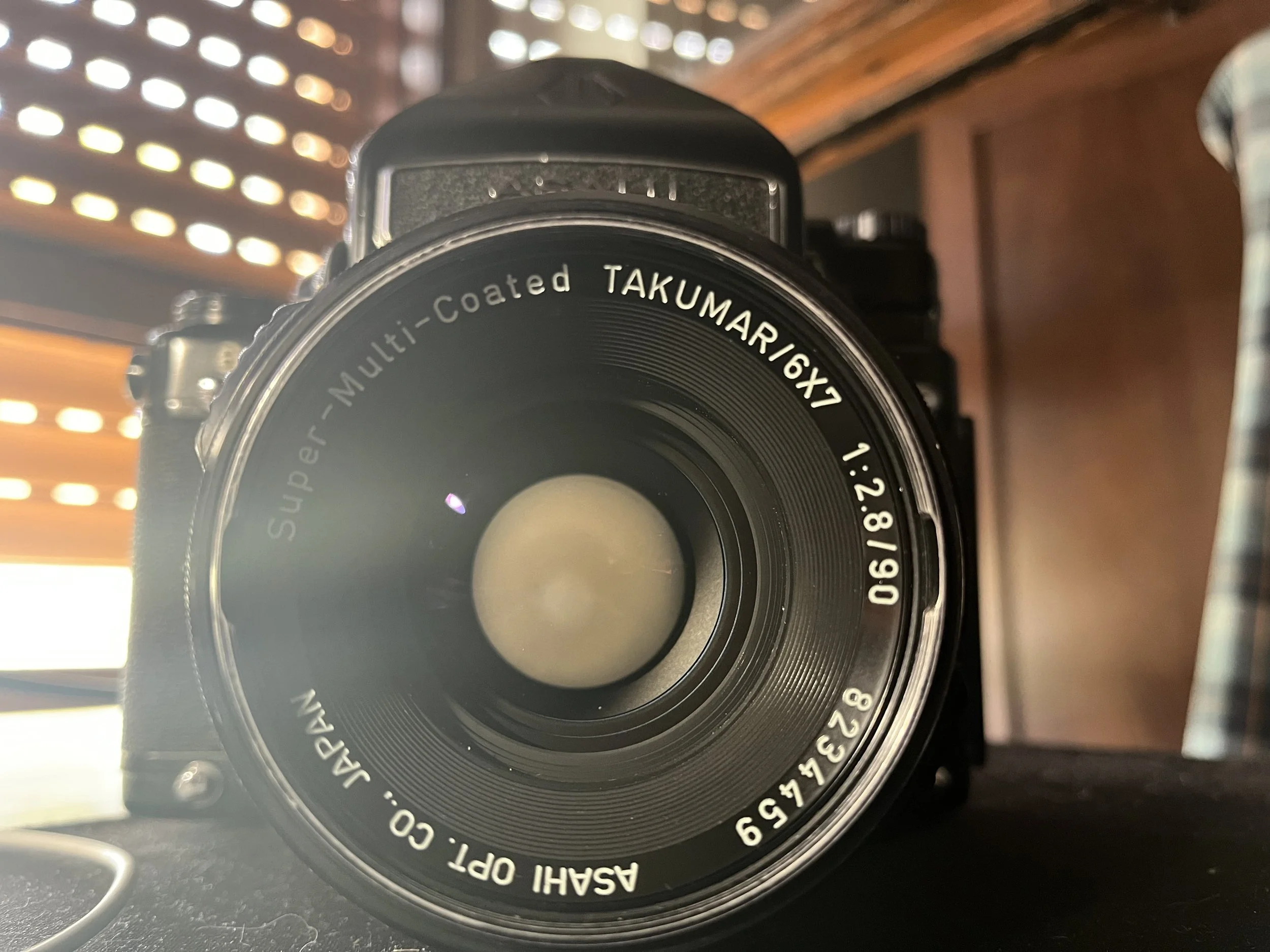
Pentax 6×7 and Super Multi Coated Takumar 90mm f 2.8; ph: Francesco Coppola
Foreword
Welcome to this last article before the August Break, during which I will continue working behind the scenes without uploading new content until September. This ends the three-part essay on how to make it in photography.
Consider that in 2026, ownership of our craft is still under threat from AI companies. Just a few weeks ago we managed to halt (I can't tell you for how long) a new generative AI tool from Meta that would have plundered any Instagram account, stripped it of its images, and used them with a prompt tag to produce "new images." The situation is dire, and for those who feel a true calling for portrait photography, it is especially challenging.
The answer I found for this foreseen situation is pivoting into fine art nude photography. But the decision is easier to take and theorize than to practice, and to make it work in reality, with real sales, constant and substantial enough to first sustain itself, then become a real job that can pay for bills, rent, food, health, and everything else necessary it is not trivial task.
Difficulties in making it in artic photography
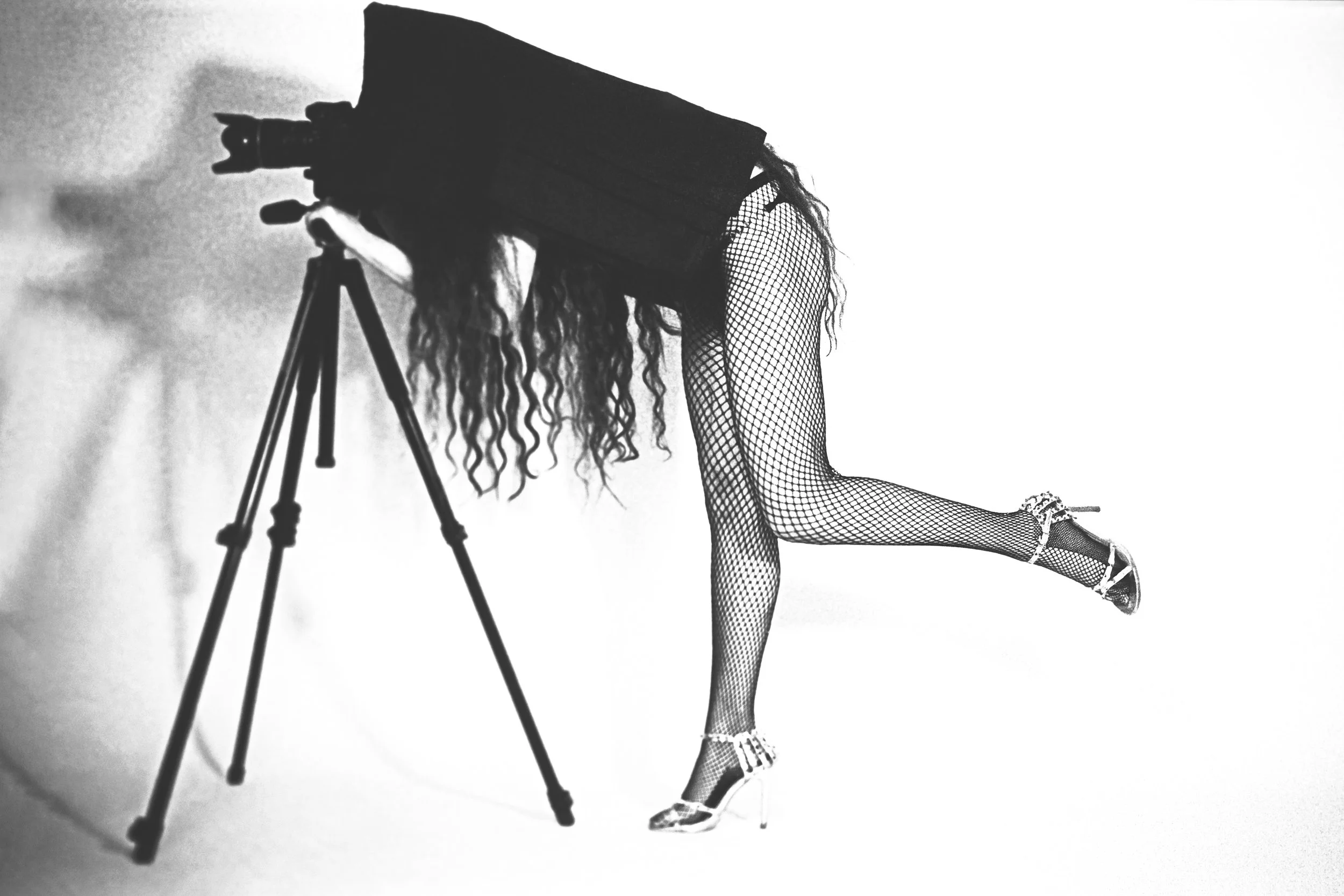
Jessica is focusing; ph: Francesco Coppola
Why is it this hard to succeed? Well, for various reasons. One is that the art market has evolved and changed. The good news is that it has expanded: there are more people ready to buy good images across dozens of economic sectors outside the well-known, famous galleries, art fairs, and auctions. Another piece of good news for aspiring artists is that the top names in the field are earning absurd amounts of money, higher than ever. But, in reality, what it takes to sell images is not widely known knowledge.
There isn't much specific free information on the web, only some sparse and scattered info, possibly outdated too. Art academies and schools don't have courses about the art market either.
As a consequence, a plethora of newcomers, possibly even good at their craft, rely on little information, doing what everyone else does and resolving to do all the same things: aiming at the gallery, museum, art fair, and auction markets, searching for an intermediary or a gallery. This makes those sectors overcrowded and very competitive and, definitively, not a good place to start for a newcomer.
So, what do we have here? On one side, the generative AI menace that steals images, and with them future creative opportunities for work and a decent life. On the other hand, the artist route, one that can withstand the AI craze, has no clear way in. What to do?
What indications I can give you
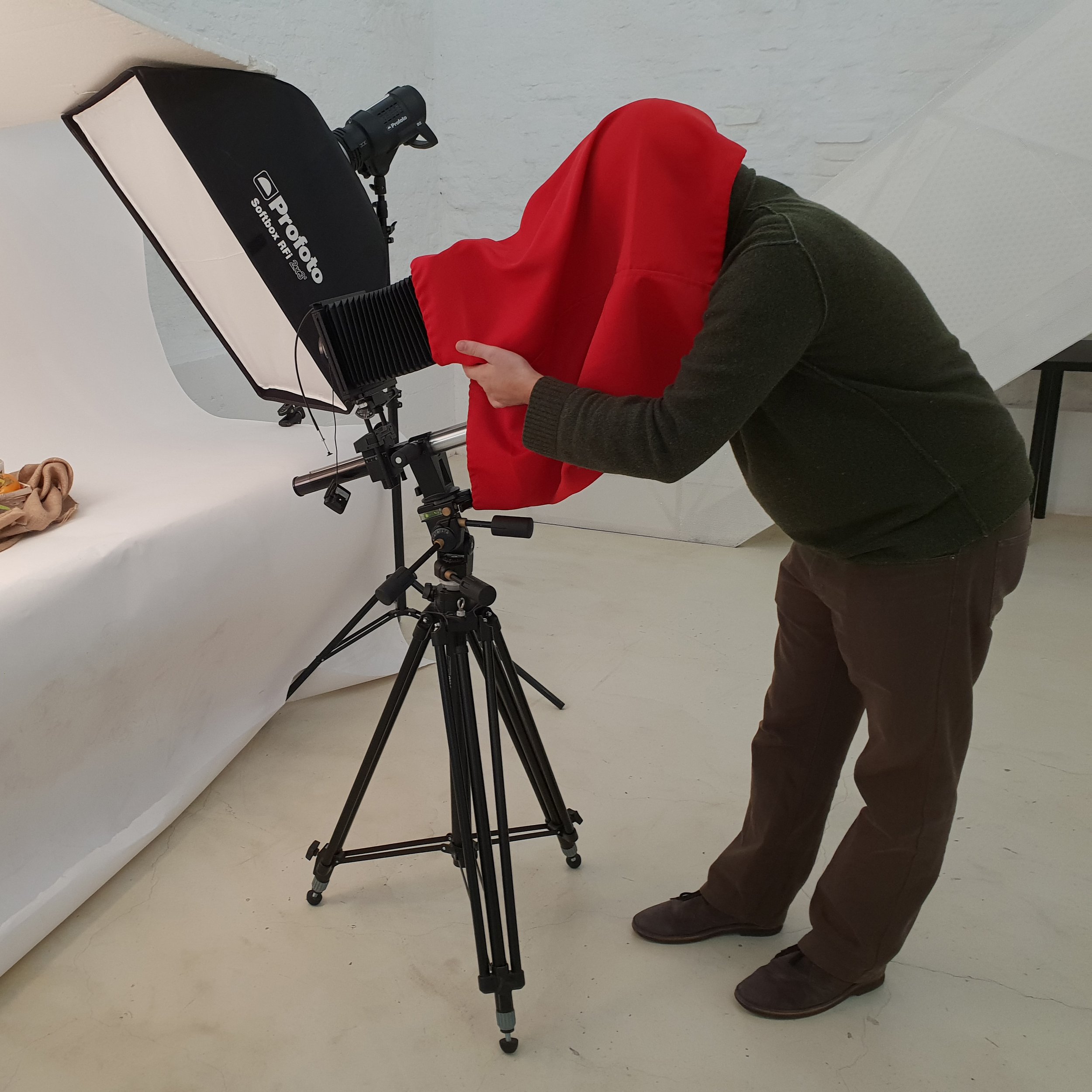
Me, studying the scene; ph: Stefano Bernardoni
Well, in the first article I published about these themes, I already started to give you a route: abandon the usual approach to making photographs and explore how many more ways there are to take photos. The second article argued for a wider change of mentality: the artworks are important, sure, but to sell them you also have to work on knowing where you want to sell your images, to whom you want to sell them, and the strategies to do it. All this while you talk, possibly on video, about what you are doing, how you are doing it, and why.
So, consider simply that uiually one new comer (and at times even someone more experienced) does not know how to price their images. As I didn’t at my first try on my website, last year. Most place a price at random or according to their self-esteem or that day’s mood, other talks or use the so called “Artist’s Coefficient”, some other says it is not used anywhere in the world but in Italy. No, no, no, it is all wrong. There are formulas, and the one of the Coefficient is one. Only that some are more suitable for the beginners like me, others are specifically tailored on historicized artist, like exactly is that Coefficient thing there, and freshmen like me shouldn’t even look at.
But do you know what to do with prices? Deciding them starting from the artwork itself, before even knowing put them on sale and what buyers that place serve. It is all the contrary: first you decide if to sale on line galleries, or from your website, or at an art fair, once you know those data you can start applying one or two formulas that are more suitable for artists that are either new, emerging or historized.
That is most of what I can tell you here. Information like the exact number and type of art market branches there are, buyer psychology, price formulas and sales strategies are things you can only learn by paying for a course, and that is exactly what my advice points toward.
There are options to choose from: people who, if truly prepared and with decades of experience in this field buying and selling visual artwork, can help you understand the art market and how to move within it, paying for their expertise.
That is, after all, what I am doing: I have spent thousands of euros on courses since last year, and I am roughly a third of the way through the last one. If what I have said and am saying is true, there is nothing else for you to do but follow me and wait until I signal my first sales and any other achievement I obtain. Be sure that I will.
For now, have a good and reinvigorating August holiday, and we shall meet again in September on this blog. Other new things might appear over the next month, but they will be attempts, proofs of concepts: one thing might appear one day, then change the next. All in preparation, you see, for the start of the next autumn run.
Shine on!