
The perception of Natural Beauty in the Age of generative AI
On Artificial Aesthetics: Generative AI, Art and Visual Media by E. Arielli and L Manovich
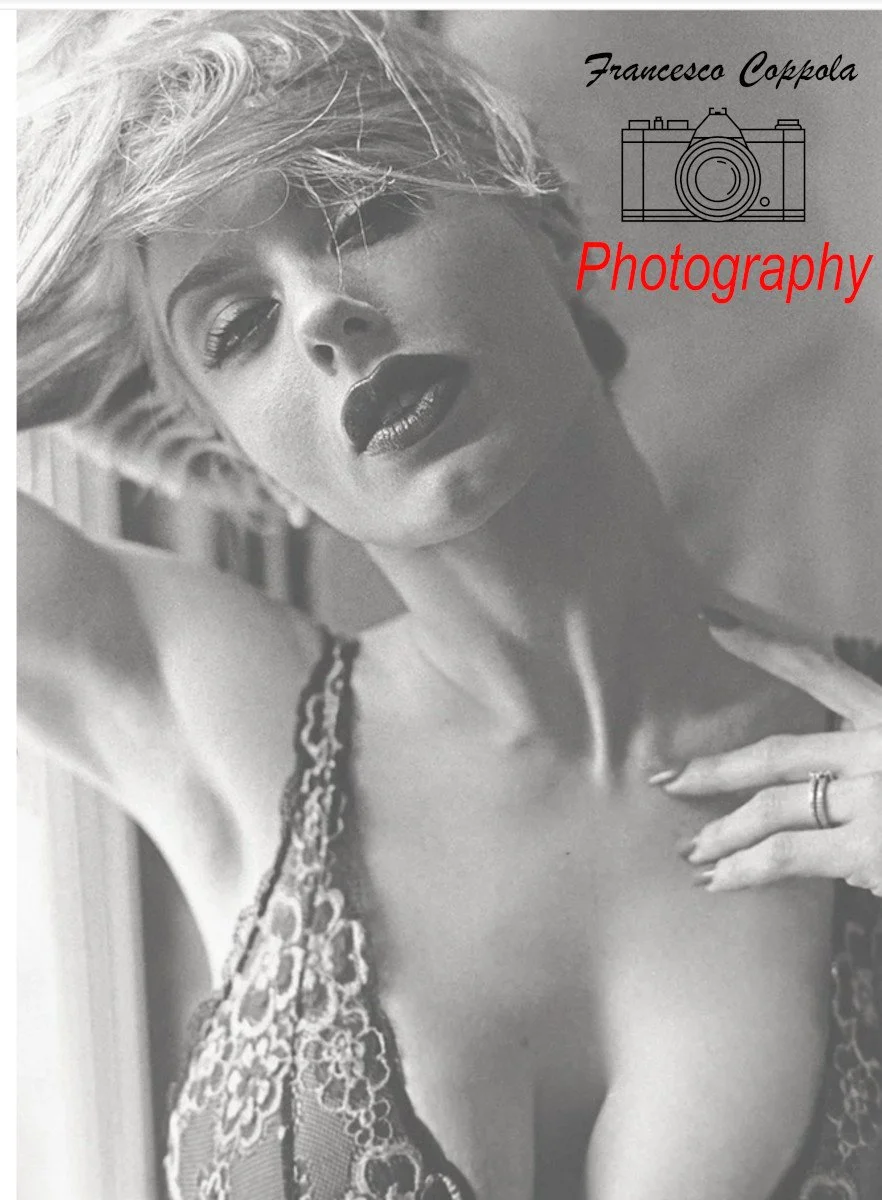
Lorih in HP5+; ph: Francesco Coppola
This year has been published a study about the confluence of AI technology and Aesthetics with a question: Is it yet possible to talk of Natural Beauty in the rampant age of generative AI?
AI models, trained on enormous quantities of data, can not only reproduce images of beauty but predict them. These models excel at recognizing patterns of what is commonly considered attractive. But the study also examines how previous technologies shaped our sense of taste.
Instagram filters have been used for many years modifying the look of images, and photoshop abusers have created their own to compete in the harvesting of likes and followers, ending up copying each other.
Humanity can still excel in art by emphasizing its human limits, the slowness, the uniqueness, the rarity, human obsession.
It is a work that followed the development of artificial intelligence for decades. Thus it is plausible that it lacked the stream of problems that in more recent years appeared even more clear: the great cost in farming lands, water, and energy due to ever-bigger server implants. The issue with AI hallucinations and the so-called "Context Rotting" and, in the end, the simple fact that the intrusion of generative AI in the creative field came with image copyright theft and growing risks to people's privacy and integrity.
Thus, the prediction capabilities of these new instruments are put in serious question.
The Sidney Sweeney controversy
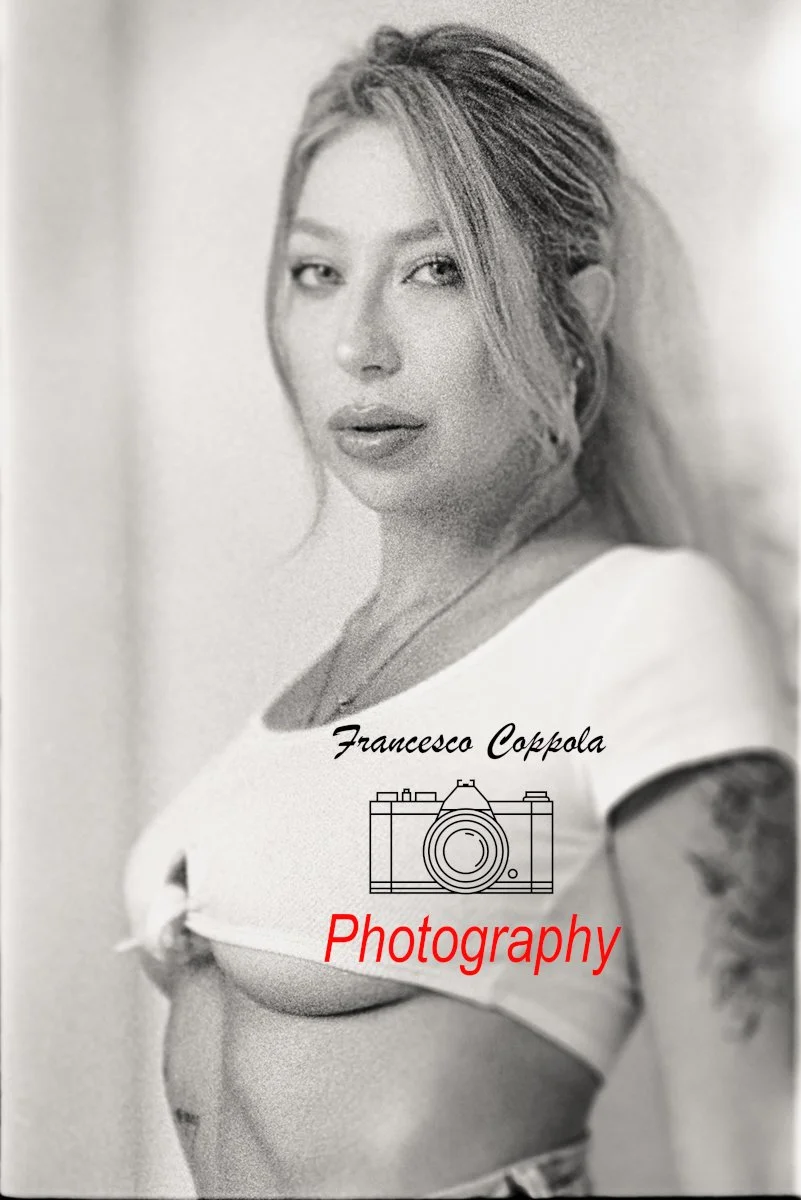
Naomi, Pentax Spotmatic, Jupiter 9; ph: Francesco Coppola
Speaking of Beauty, female beauty and natural beauty, we now turn to the recent controversy that stemmed from a recent advertisement for a sports betting website with the model Sidney Sweeney in various poses with little clothing covering her beautiful body and the word "sport" repeated many times.
We can easily tell that the controversy was intentional by the advertising makers and by the betting website.
Curious aspect: all the backlash on the internet was directed entirely at the model and her display of her naked attractiveness related to the word 'sport'. I haven't seen a single vehement reaction to the association of 'sport' with betting. Weird, don't you think?
Many female athletes lamented the struggle to be taken seriously while performing their athletic careers, always fighting against the sexualization of women in sports. They certainly have reason for their complaint, but to what end? As Sweeney herself pointed out on her social media, there have been other advertisements in which sport athletes both women and men appeared pretty naked and no one said a word.
We are in a tricky terrain here and it is not the goal of this article to delve into it too much. I suggest pausing to breathe. Reflection. Can an advertisement for a betting web channel really shift women's standing in sports?
You see, despite all the wonders of the new technologies happening behind a screen, there is always the offline world. To the youngest of us I must specify: the offline world is the one that is really fundamental.
In the real world, biology dictates that males find certain physical features in the opposite sex attractive, with some contribution (partial) of culture and social norms. An athletic body, though this varies by sport, is usually well regarded in romantic contexts. It is what contemporary critics lament as 'the male gaze'. An element of natural male behavior one can fight against as much as one wants, though losing every time.
The Sweeney case demonstrates that Beauty exists and is recognized; it sets fire to violent opinions. Throughout history, this pattern repeats. Princess Honoria sent her ring inviting Attila to lay waste to her brother, Valentinian III’s last piece of empire. Germanic myths celebrated women who ignited the passions of warriors leading them to their fatal doom. The dark ages of witch hunts, pyres, and stakes condemning women's freedom over their freedom of bodies, relationships, and skills.
Beauty is naturally present, visible, effective, strong/fragile at the same time, advantage/curse, a force that will always be found and fought for.
It is too easy to say "beautiful".
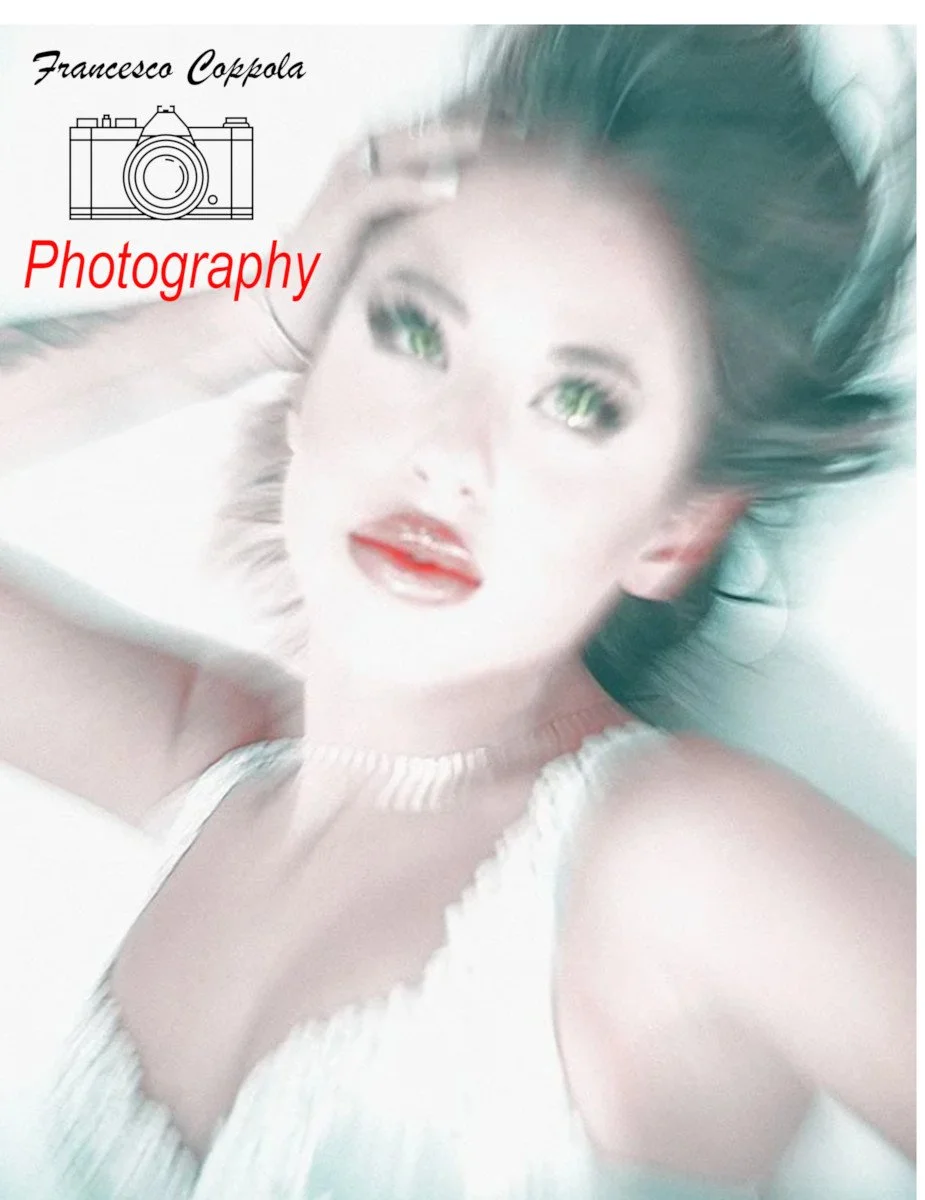
Roberta Ghirotto, Zoomin in 1; ph: Francesco Coppola
From other sources on beauty, in recent years columnists working in the beauty scene like Jessica DeFino and Sable Yong, as evidenced by their recent books, articles, and podcasts, it appears that the hunt for the perfect skin, the perfect body (always young) has intensified.
Data demonstrates that there is an increase in the number of young people and people with limited means accessing beauty treatments, and even various beauty surgeries to improve their looks and achieve the 'pretty privilege' that is so promoted around, no matter what.
There is, in fact, a real, though contested, advantage to being pretty, and women feel it, even as a similar toxic phenomenon (the so-called "look maxing") is emerging among young men.
What contradicts this, absurd as it may seem, is that beauty is often associated with ease. Statements like: 'Oh it is easy to make good photos of pretty girls', or 'It is easy for her to have a career with her looks', or 'It is easy a model's life, all that she does is posing and travelling, having the vacancy type of life'.
What a mountain of crap!
I'd like to see those men making such judgments face the same hours of gym, the food discipline some models have to undertake, the way they travel often by train or Flixbus, always on guard against the risks of being harassed (or worse). Some model has been bullied at a young age because they were chubby, and as young adults they became gym addicts. Some maintain their pretty looks because they suffer from Crohn's disease; I shoot also with another model who suffers from endometriosis; others present themselves on set with legs as big as their arms and arms so thin... These individuals try to build self-esteem through posing, fighting against the demon of anorexia. Don't underestimate the difficulties, the harshness, the struggles these models face. Behind every beautiful figure in a frame lies a person, not just a concept of attractiveness. Behind every pose can be in act the cure that art making often provides.
In the hunt for beauty, people are even more ready to spend time, effort, money, and make sacrifices to attain freedom, whether economic or social: freedom from petty judgment, social conventions, and violent, degrading, or stale relationships.
This brings about higher standards for women in their relationships, and the expectation that relationships remain meaningful and satisfactory throughout the couple's duration.
This, together with the harsh changes in economy, brings widespread insecurities, a loneliness pandemic, demographic winter. The fact is that once, in the '60s, '70s, '80s, and through much of the '90s, Western societies were able to provide work for everyone, and a social position could be achieved through a normal career. The post-2000 era is a completely different situation, where many are left to fend for themselves and try to establish a position in the creative field. Thus we see an explosion of social media creators, YouTubers, and artists.
In today's world, having both a career (like in the past) and a family has become a status symbol, like possessing an expensive sports car or a villa with a pool on Malibu's coastline once was.
That is what I see, live, and experience.
Shine on!