
Rules that do not bring you anywhere
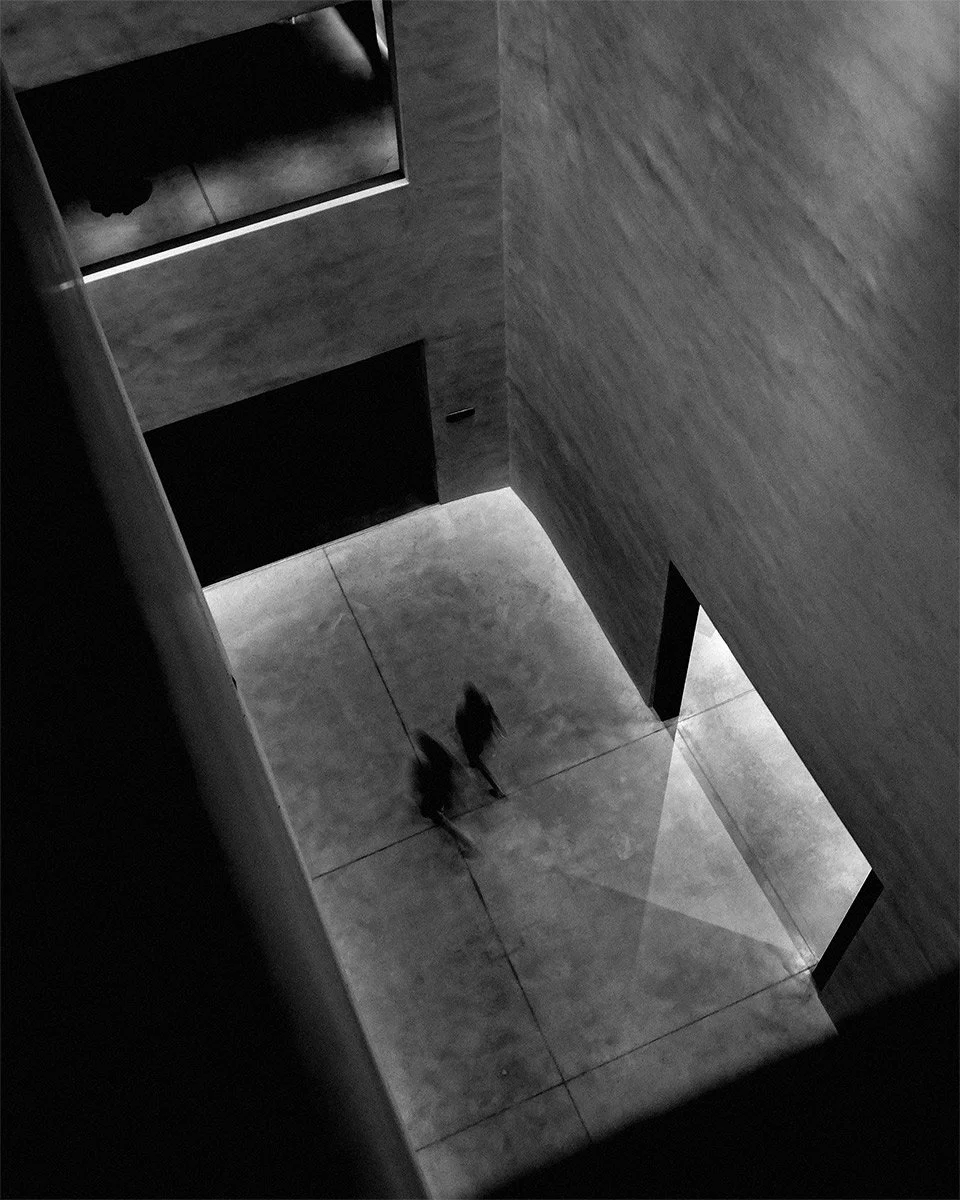
Silos Armani, Milano 2017; ph: Francesco Coppola
Since the 1960s, the more creative approaches to photography have been gradually defeated and sidelined by the f/64 group's idea of how an image should be: well-defined, contrasty, realistic. Due to the worldwide influence of the golden age of fashion photography magazines and the era of supermodels, a series of dogmas has been handed down that very few escaped.
Looking at my series of historic essays about the history of artistic nude photography, we can count on one hand those who achieved notoriety and legacy with a different type of craft: Joyce Tenneson, David Hamilton, a bit Bill Henson (for his low-key exposures at least), and, of course, my beloved Paolo Roversi.
And thus, the plethora of images in art nude galleries around the web that are too seamy, uncommunicative, boringly provocative, and always figurative.
All people who lack enough knowledge of how the art world chooses to buy images, first; then too boxed inside an overused tradition of how to take "good photos"; and, possibly, people who haven't studied enough the history of the genre.
All of them missing the marvels, the fun, and the richness of what lies beyond their petty rules.
First dimension – different shooting ways
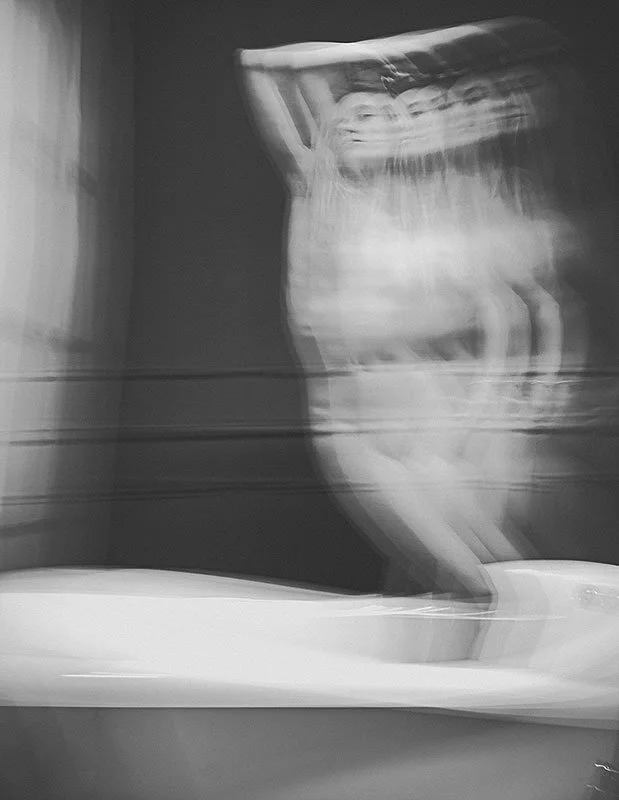
The many faces of you; ph: Francesco Coppola
Instead of always searching for, buying, and using the best top-line cameras the manufacturers push on you, why don't you use, for instance, a Lomography Diana with a plastic lens on it? "Yeah, but not for my professional shoots", I hear you saying, but are you for real? Ok, sure, do as you please. If you're not sure about the water's temperature, it's a valid strategy to dip your toes in first.
So, bring it along in your free time, don't use it on your paid shoots, and look at what results it gives you. Sure, you won't have much like "autofocus," and the exposures may be guessed more than exactly calculated, and — oh — don't even think about a fast burst rate. But use those limitations as a lever to elevate your mind, and you may enjoy photography in a new and inspiring way.
If not, there are also plenty of secondhand, old-timer film cameras with better lenses, more shutter speed options, and diaphragms to choose from. Relearn to shoot without chimping at the back of the camera, and live again the experience of waiting to see the developed images from the lab. You'll then discover for yourself that when shooting on film, there's no need to clean up the image (above all the skin of the people you portray) that's a feature of digital cameras, too sharp for their own good, and ours.
While you're at it with film, why not take a course and explore large-format cameras, the kind that separate procedurally composition, focus, and exposure before you finally take the picture? Fast, operative shooting? Not at all, instead, slow and complicated as hell. But have you noticed how models in that environment stop doing the stale "macarena" moves and instead give you the best expressions you've ever captured? And the colors, the tones, how different they are, comparing the prints to the screen where you view your old, "perfect" photos?
Maybe afterward you'll return to your previous gear, having extinguished your G.A.S. syndrome, and start using it with shoot-through techniques, slow shutter speeds, and movement of the model, the camera, or the lens separated from the camera body.
Admire the vastness of the different looks you can achieve, and maybe you'll start to understand where I'm coming from.
Second dimension – when you start developing film in a darkroom
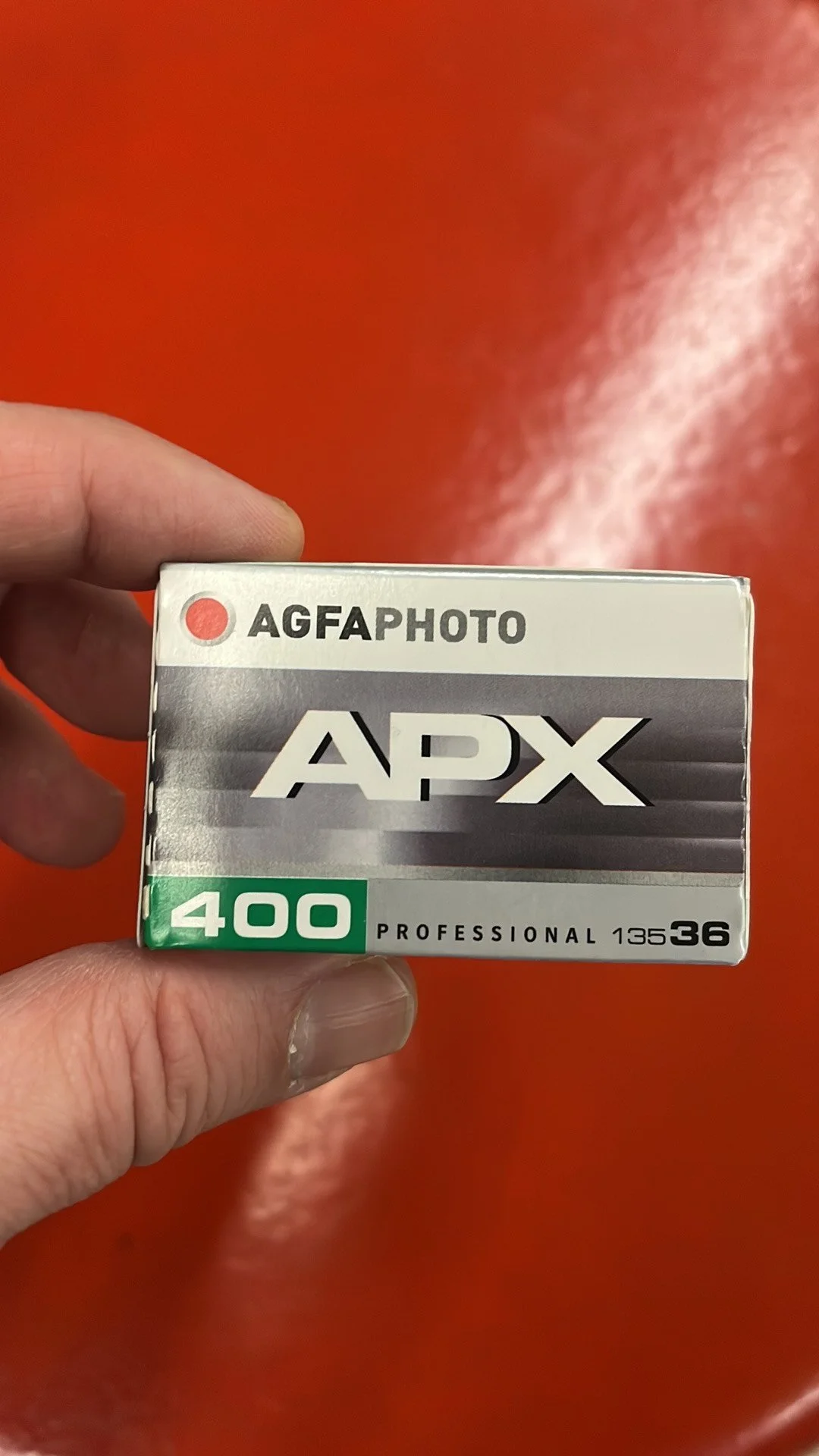
Agfa Photo APX 400; ph: Francesco Coppola
Going deeper down the white rabbit hole, you could start taking courses to learn how to develop rolls or sheets of film in a darkroom. There you'll find a whole new world, pushing and pulling exposures and the looks that those tricks they bring. You can even start enjoying, go figure, making dodge and burn technique in a frame by your hands and not via a Photoshop action.
You'll start analyzing the different features of each film type and brand, and their cost, but at least, if you shoot black and white and develop your own negatives, you'll spare a lot of money.
And what about instant film instead? With that, you spare chemicals and time, and large-format instant film can be very interesting to shoot (much like Paolo Roversi enjoyed shooting instant strip film on his fashion sets, which gave him a great deal of creative satisfaction).
And don't get me started on creative techniques like emulsion lifting of instant film transparencies, and all the crazy things you can do with those.
If you ever arrive at this point, congratulations, you've just found the time to look back at your past "professional" activity, with those expensive cameras, strobes, and modifiers, before making another jump into the wondrous world lying secretly at the bottom of the rabbit hole.
Third dimension – the wonders of darkroom printing and alchemical photography
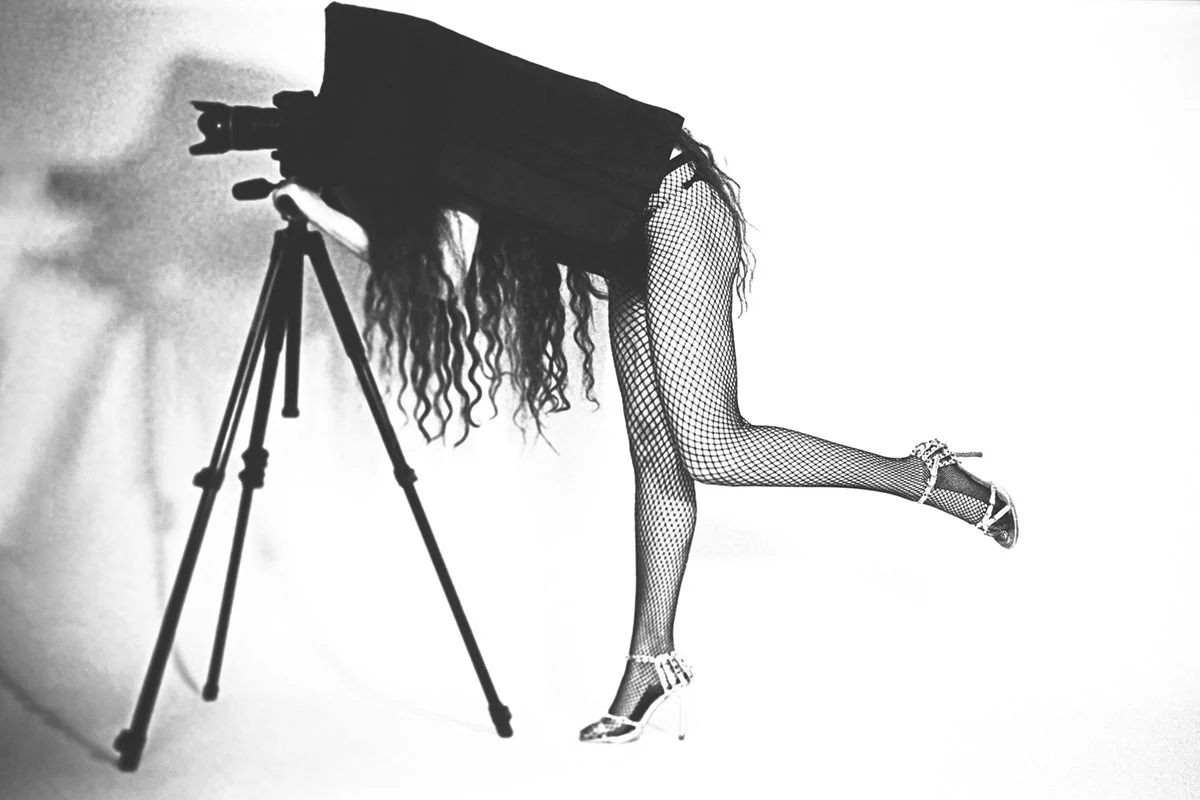
Jessica, analog glamour; ph: Francesco Coppola
Welcome to the third and last instalment of this photographic journey. In the previous parts, you moved from a boxed, uninspired way of shooting into the first two dimensions beyond the "realistic," technically correct way of making images.
Now it's time to explore another, deeper and more ancient way of giving birth to your ideas: printing them. Learn the differences between contrasts, timings, and paper types: pearl, matte, glossy, silk, metallic, and so on. Be aware, though, that this is just an appetizer.
Then you'll encounter ancient print techniques: printing with salt, in cyanotype, trichrome cyanotype, printing with coffee, with tea, and what about the platinum/palladium printing technique? A way to evoke the giants of the medium's past, like Alfred Stieglitz or Robert Demachy, masters of pictorialist photography.
All in all, over the course of this journey, you should leave behind the worry of losing detail, of the figure having different colors than the original, of her shape becoming less defined. You have lost that worry to gain something else: the importance of meaning in the image, the real message that comes from your mind and heart, which, once placed in the frame, gives the image so many more layers of significance that it can take your breath away.
If this happens, you may arrive at the next stage: discovering that the creative possibilities for modifying an image and making it unique aren't limited to what I've mentioned so far; the materials can be so much more. Photography can become truly alchemical. You could print your image in black and white, then paint it in color afterward, landing in that particular territory of artistic creation called mixed media, a whole different thing, one I'm not familiar enough with to say more about here.
Conclusions
So, what have we done, in this whole long journey into the vastness and depth of real photography, the photography that lives outside technically precise imagery? We've talked about a great number of techniques. What's missing from this discourse for a photographer's success?
Meaning. Psychological depth. Emotion. Motivation.
You see, the question isn't "what gear did you use to take this photo, what settings did you choose?" That's the wrong question, the wrong focus that will bring you in a dead end. The right one is, the one that instead will move you onwards and upwards: "Why did you take these images this way, with this final look?"
That's the right question, whatever gear or technique you use. But that's a subject for another day. Enjoy the wider perspective on how you can express yourself with augmented creativity, one that connects you to the history and the masters of the genre.
There will be another time, and until then,
Shine on!